
Why Most Ad Creatives Fail Before the Algorithm Sees Them
The real reason your ROAS is flat has nothing to do with your targeting
Wednesday, February 25, 2026
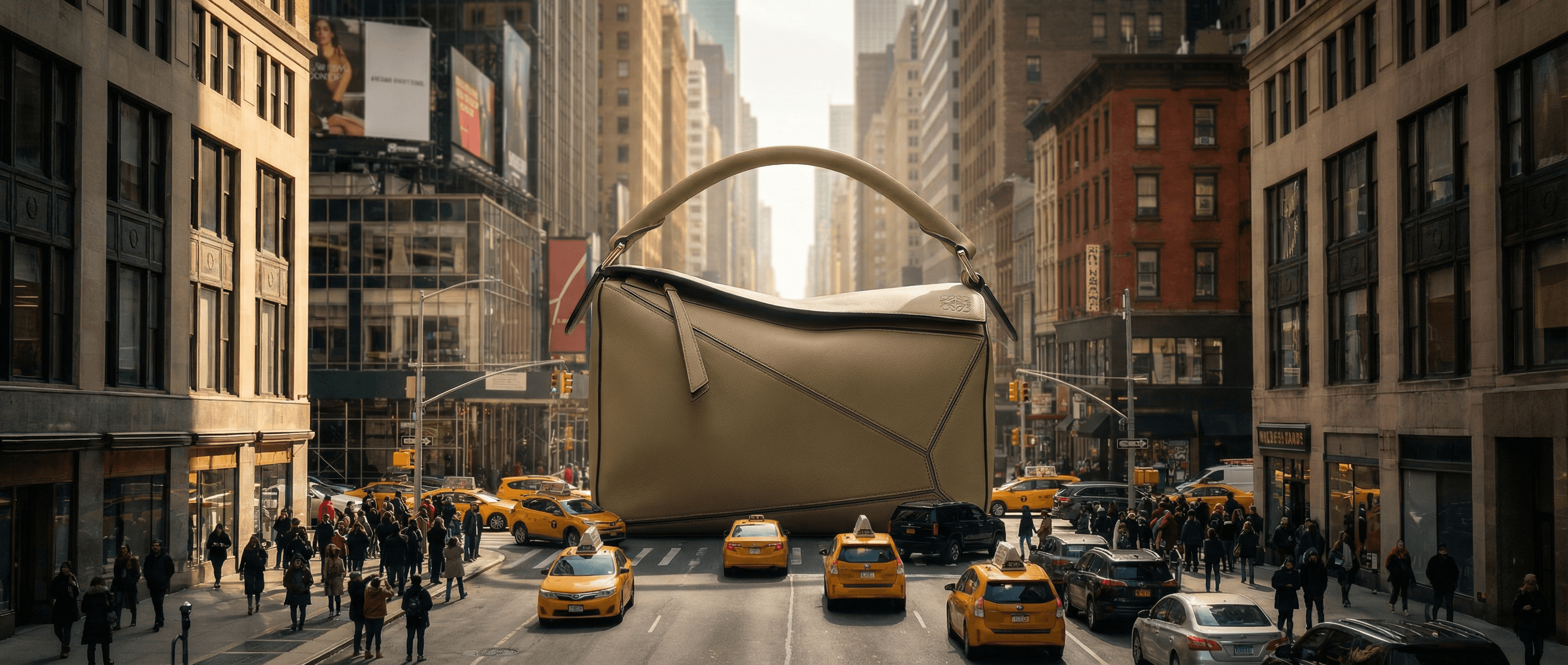
Why Most Ad Creatives Fail Before the Algorithm Sees Them
Written by
Creative Strategy

Brands spend thousands testing audiences, tweaking budgets, and optimizing campaigns — then wonder why results plateau. The uncomfortable truth: most paid ad problems start at the creative level, long before the algorithm has anything to work with.
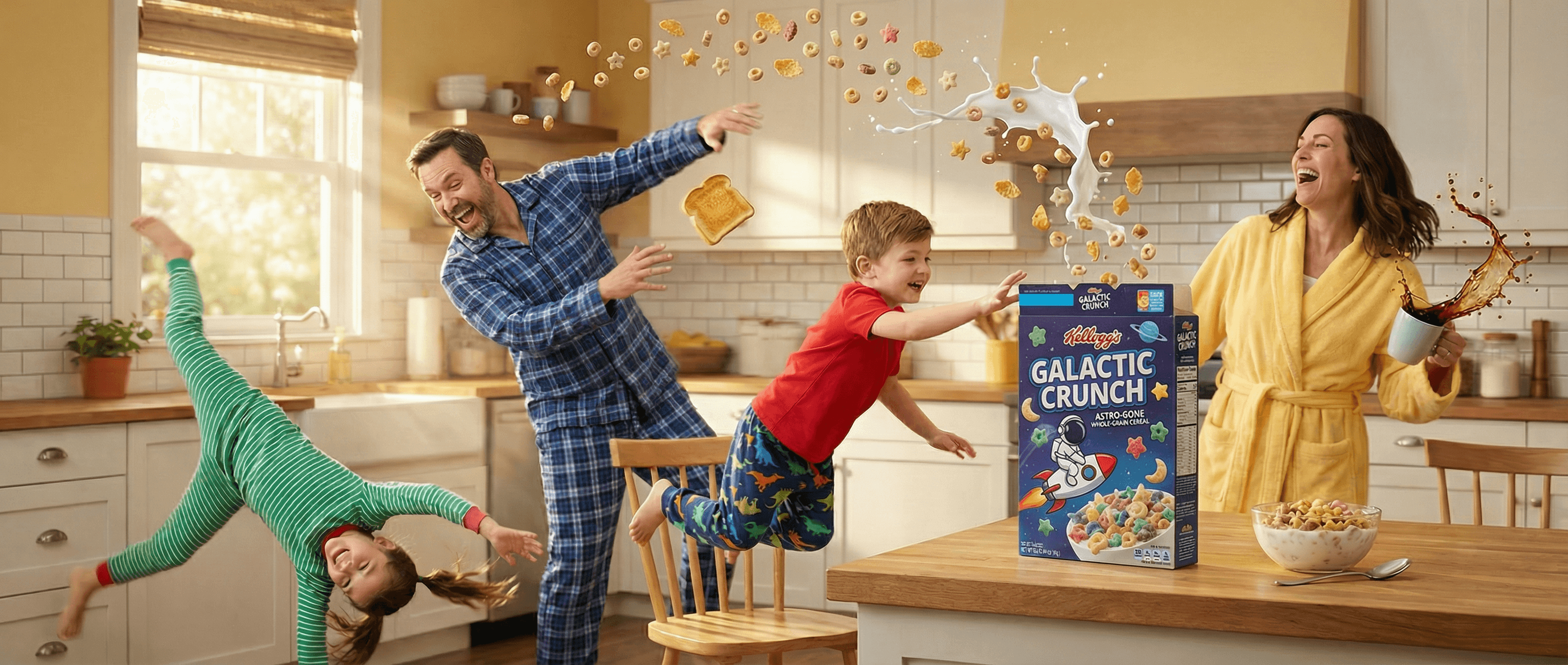
The Creative is the Targeting
Meta's own data shows that creative is responsible for over 70% of campaign performance variability. Not your audience. Not your bid strategy. The image or video your potential customer sees in the first 1.5 seconds determines almost everything.
Yet most brands treat creative as an afterthought — something designed once during a campaign launch, then left to run until performance dies. By the time they notice the drop, months of ad spend have gone to waste on a creative that stopped resonating weeks earlier.
The Volume Problem
The modern paid media environment demands constant creative refresh. What worked last month may be fatigued today. A single hero creative used to last a quarter — now it might last three weeks. Winning brands are producing 20, 40, even 80 new creatives per month across static, video, UGC, and story formats.
That volume is impossible for most in-house teams and too expensive through traditional agencies. The result: brands under-test, over-rely on one or two creatives, and leave enormous upside on the table.
What a Strong Creative Does
A well-built ad creative does several things simultaneously. It stops the scroll with a visual hook. It answers "is this for me?" within a second. It communicates one clear benefit or angle. And it makes the next step — clicking, swiping, buying — feel obvious. Most creatives fail at step two. They look nice but don't signal relevance fast enough for the specific person scrolling past.
The Ad Angle Framework
Lead with the outcome, not the product
Address a specific pain point your customer has today
Use language your customer uses, not language your brand uses
Test 3–5 angles per campaign, not 1
Treat every batch as a hypothesis, not a final answer
The brands winning on paid social right now are not the ones with the biggest budgets. They're the ones with the fastest creative iteration cycles. They test more, learn faster, and feed the algorithm what it needs to optimize.
Key Takeaways
Creative accounts for 70%+ of campaign performance variance
Most creatives fatigue within 2–4 weeks in active campaigns
Volume of creative testing is a competitive advantage
Ad angles — not aesthetics — determine whether a creative converts
Winning brands treat creative as infrastructure, not decoration

More articles

Friday, February 20, 2026
Written by
Salomon Jimenez
Static vs. Video Ads: Which Format Actually Wins in 2026
The answer is neither — and both. Here's how to use each format strategically
The debate between static and video ad formats has been running for years. Every few months a new stat surfaces claiming one has overtaken the other. The reality for most brands running paid ads in 2026 is more nuanced — and more actionable.

Sunday, February 15, 2026
Written by
Joel Jimenez
What UGC-Style Ads Actually Are (And Why They Outperform)
You don't need real user-generated content to get the benefits of UGC
UGC has become one of the most overused terms in paid media. Most brands either dismiss it as unprofessional or chase it in ways that are expensive, slow, and legally complicated. There is a better way to think about it.

Tuesday, February 10, 2026
Written by
Joel Jimenez
The Hidden Cost of Slow Creative Turnaround
How waiting weeks for new ads is quietly killing your campaign performance
Most brands understand that creative quality matters. Fewer understand that creative speed matters just as much. When your ad creative pipeline moves slowly, your campaigns pay the price in ways that are easy to miss but hard to recover from.
Why Most Ad Creatives Fail Before the Algorithm Sees Them
The real reason your ROAS is flat has nothing to do with your targeting
Wednesday, February 25, 2026
Why Most Ad Creatives Fail Before the Algorithm Sees Them
Written by
Creative Strategy
Brands spend thousands testing audiences, tweaking budgets, and optimizing campaigns — then wonder why results plateau. The uncomfortable truth: most paid ad problems start at the creative level, long before the algorithm has anything to work with.
The Creative is the Targeting
Meta's own data shows that creative is responsible for over 70% of campaign performance variability. Not your audience. Not your bid strategy. The image or video your potential customer sees in the first 1.5 seconds determines almost everything.
Yet most brands treat creative as an afterthought — something designed once during a campaign launch, then left to run until performance dies. By the time they notice the drop, months of ad spend have gone to waste on a creative that stopped resonating weeks earlier.
The Volume Problem
The modern paid media environment demands constant creative refresh. What worked last month may be fatigued today. A single hero creative used to last a quarter — now it might last three weeks. Winning brands are producing 20, 40, even 80 new creatives per month across static, video, UGC, and story formats.
That volume is impossible for most in-house teams and too expensive through traditional agencies. The result: brands under-test, over-rely on one or two creatives, and leave enormous upside on the table.
What a Strong Creative Does
A well-built ad creative does several things simultaneously. It stops the scroll with a visual hook. It answers "is this for me?" within a second. It communicates one clear benefit or angle. And it makes the next step — clicking, swiping, buying — feel obvious. Most creatives fail at step two. They look nice but don't signal relevance fast enough for the specific person scrolling past.
The Ad Angle Framework
Lead with the outcome, not the product
Address a specific pain point your customer has today
Use language your customer uses, not language your brand uses
Test 3–5 angles per campaign, not 1
Treat every batch as a hypothesis, not a final answer
The brands winning on paid social right now are not the ones with the biggest budgets. They're the ones with the fastest creative iteration cycles. They test more, learn faster, and feed the algorithm what it needs to optimize.
Key Takeaways
Creative accounts for 70%+ of campaign performance variance
Most creatives fatigue within 2–4 weeks in active campaigns
Volume of creative testing is a competitive advantage
Ad angles — not aesthetics — determine whether a creative converts
Winning brands treat creative as infrastructure, not decoration
More articles
Static vs. Video Ads: Which Format Actually Wins in 2026
The answer is neither — and both. Here's how to use each format strategically
What UGC-Style Ads Actually Are (And Why They Outperform)
You don't need real user-generated content to get the benefits of UGC
The Hidden Cost of Slow Creative Turnaround
How waiting weeks for new ads is quietly killing your campaign performance
Why Most Ad Creatives Fail Before the Algorithm Sees Them
The real reason your ROAS is flat has nothing to do with your targeting
Wednesday, February 25, 2026
Why Most Ad Creatives Fail Before the Algorithm Sees Them
Written by
Creative Strategy
Brands spend thousands testing audiences, tweaking budgets, and optimizing campaigns — then wonder why results plateau. The uncomfortable truth: most paid ad problems start at the creative level, long before the algorithm has anything to work with.
The Creative is the Targeting
Meta's own data shows that creative is responsible for over 70% of campaign performance variability. Not your audience. Not your bid strategy. The image or video your potential customer sees in the first 1.5 seconds determines almost everything.
Yet most brands treat creative as an afterthought — something designed once during a campaign launch, then left to run until performance dies. By the time they notice the drop, months of ad spend have gone to waste on a creative that stopped resonating weeks earlier.
The Volume Problem
The modern paid media environment demands constant creative refresh. What worked last month may be fatigued today. A single hero creative used to last a quarter — now it might last three weeks. Winning brands are producing 20, 40, even 80 new creatives per month across static, video, UGC, and story formats.
That volume is impossible for most in-house teams and too expensive through traditional agencies. The result: brands under-test, over-rely on one or two creatives, and leave enormous upside on the table.
What a Strong Creative Does
A well-built ad creative does several things simultaneously. It stops the scroll with a visual hook. It answers "is this for me?" within a second. It communicates one clear benefit or angle. And it makes the next step — clicking, swiping, buying — feel obvious. Most creatives fail at step two. They look nice but don't signal relevance fast enough for the specific person scrolling past.
The Ad Angle Framework
Lead with the outcome, not the product
Address a specific pain point your customer has today
Use language your customer uses, not language your brand uses
Test 3–5 angles per campaign, not 1
Treat every batch as a hypothesis, not a final answer
The brands winning on paid social right now are not the ones with the biggest budgets. They're the ones with the fastest creative iteration cycles. They test more, learn faster, and feed the algorithm what it needs to optimize.
Key Takeaways
Creative accounts for 70%+ of campaign performance variance
Most creatives fatigue within 2–4 weeks in active campaigns
Volume of creative testing is a competitive advantage
Ad angles — not aesthetics — determine whether a creative converts
Winning brands treat creative as infrastructure, not decoration
More articles
Static vs. Video Ads: Which Format Actually Wins in 2026
The answer is neither — and both. Here's how to use each format strategically
What UGC-Style Ads Actually Are (And Why They Outperform)
You don't need real user-generated content to get the benefits of UGC
The Hidden Cost of Slow Creative Turnaround
How waiting weeks for new ads is quietly killing your campaign performance

We transform brands.
Your success is next.
Start your project now by booking a one-on-one consultation with our expert.

We transform brands.
Your success is next.
Start your project now by booking a one-on-one consultation with our expert.
We transform brands.
Your success is next.
Start your project now by booking a one-on-one consultation with our expert.